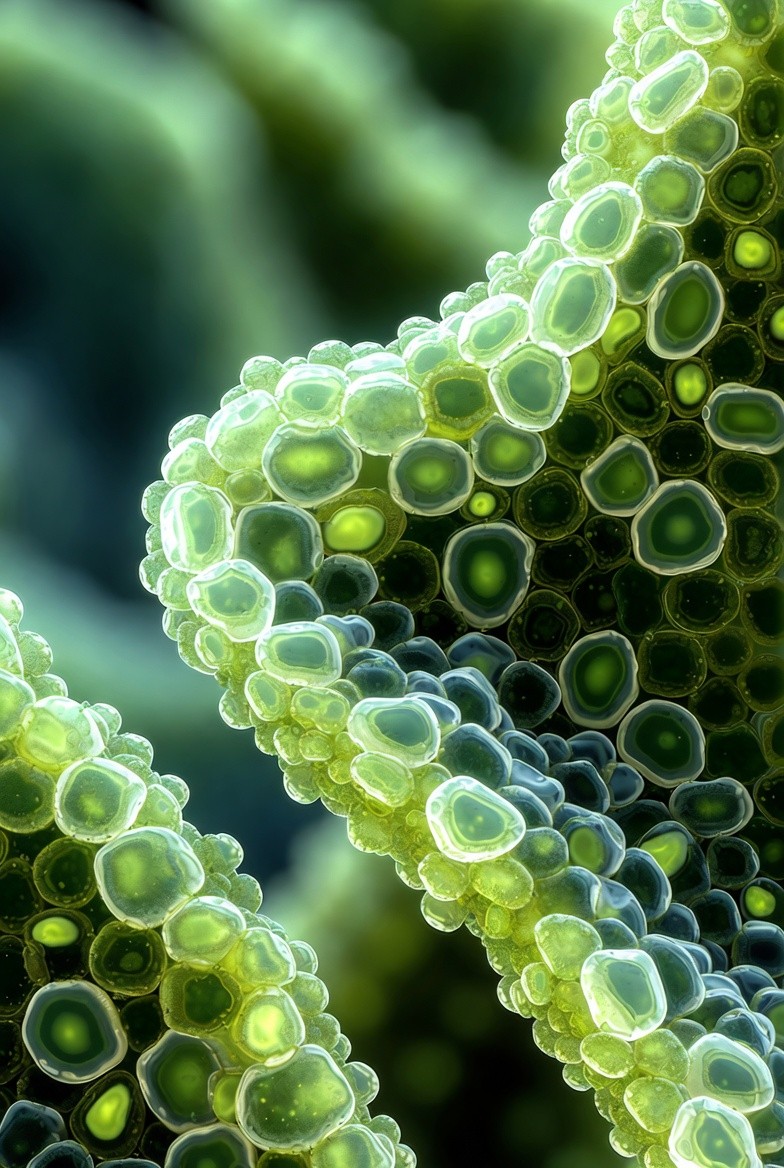
Our Focus: Pioneering Moss-Based Biopharming for Immunotherapy
Our Focus: Pioneering Moss-Based Biopharming for Immunotherapy
Building next-generation immunotherapies with moss-based biomanufacturing.
Building next-generation immunotherapies with moss-based biomanufacturing.
At Adaptive Biologics, we are in the research and development phase, building a next-generation platform to produce therapeutic peptides using genetically optimized moss.
At Adaptive Biologics, we are in the research and development phase, building a next-generation platform to produce therapeutic peptides using genetically optimized moss.
Our goal is clear: create sustainable, scalable, and highly pure immunotherapies that harness the body’s own immune system to fight cancer more effectively and affordably. We believe the future of biologics lies in combining advanced genetic engineering with nature’s simplest, most efficient production systems. By leveraging a proprietary moss expression platform, we aim to overcome many of the limitations of traditional manufacturing — and ultimately deliver precision peptides that make a meaningful difference for patients.
Our goal is clear: create sustainable, scalable, and highly pure immunotherapies that harness the body’s own immune system to fight cancer more effectively and affordably. We believe the future of biologics lies in combining advanced genetic engineering with nature’s simplest, most efficient production systems. By leveraging a proprietary moss expression platform, we aim to overcome many of the limitations of traditional manufacturing — and ultimately deliver precision peptides that make a meaningful difference for patients.
The Challenge with Current Approaches
Therapeutic peptides like those used in immunotherapy are currently produced mainly through chemical synthesis or mammalian cell cultures. These methods can be expensive, difficult to scale for larger quantities, and sometimes limited in achieving consistent human-like quality. Our vision addresses these issues head-on by developing a moss-based system that is: Cost-efficient (photoautotrophic growth requires only light, water, and basic salts), Highly scalable (suitable for bioreactor expansion without the complexity of animal-derived systems), Safer and cleaner (grown in contained, sterile environments with virtually no risk of human or animal pathogens, viruses, or endotoxins), and Environmentally responsible (carbon-sequestering and far lower resource use).
Moss has already shown strong potential in research as a eukaryotic host capable of proper protein folding and human-compatible post-translational modifications. We are working to apply this to clinically relevant peptides.
Our Lead Program – Thymosin Alpha 1 (Tα1)
In the near term, we are focused on large-scale production of Thymosin Alpha 1 — a 28-amino-acid peptide naturally produced by the thymus gland and well-studied for its immune-modulating properties. Tα1 has demonstrated potential in oncology to promote T-cell maturation and activation (including cytotoxic “killer” cells), enhance natural killer (NK) cell activity, improve synergy with checkpoint inhibitors and other immunotherapies, help reduce opportunistic infections in immunocompromised patients, and support overall anti-tumor immune responses with a favorable safety profile.
While Tα1 is already used in some regions and has been explored in clinical studies for cancers such as melanoma, lung cancer, and hepatocellular carcinoma, current production methods (primarily chemical synthesis) face cost and scalability constraints. Our R&D goal is to produce high-purity, bioactive Tα1 in our moss system — potentially enabling broader access, lower costs, and consistent quality that could support future combination therapies.
How Our Moss Platform Works (in Development)
We are engineering moss through precise genetic integration to express the target peptide sequence. The envisioned process includes: Genetic Engineering — Targeted insertion of the human Tα1 sequence into the moss genome for stable, high-fidelity expression.
Cultivation —Grown in closed-loop photobioreactors under controlled, contaminant-free conditions.
Harvesting & Purification — Extraction and advanced downstream processing to isolate the peptide.
Quality Control — Rigorous analytical testing to confirm purity, correct folding, and biological activity. This approach is designed to combine the safety and sustainability of plant-based systems with the precision required for therapeutic use.
Future Expansion – A Scalable Platform for Multiple Peptides
Once our moss-based platform is validated and proven effective for Thymosin Alpha 1, we plan to expand rapidly to other therapeutic peptides. The modular nature of our system will allow us to insert new peptide sequences with minimal re-engineering, enabling fast, cost-effective scaling of additional candidates.
This pipeline approach will let us address a broader range of immune-related conditions and combination therapies in oncology and beyond — all while maintaining the same advantages in purity, safety, sustainability, and production economics.
Our Current Stage and Vision Ahead
We are actively advancing our R&D to validate and optimize this platform. While clinical development is still ahead, we are driven by the possibility of making effective immunotherapies more accessible through innovative, green biomanufacturing.
Adaptive Biologics is working toward a future where biology and technology align to deliver better tools in the fight against cancer — sustainable, precise, and built for scale.
Interested in our progress or collaboration?
Interested in our progress or collaboration?
We welcome inquiries from researchers, clinicians, investors, and partners. Contact us at Nichlosanglin@Adaptivebiologics.com
We welcome inquiries from researchers, clinicians, investors, and partners. Contact us at Nichlosanglin@Adaptivebiologics.com